


Radley Lakes is an area of former gravel workings, close to the Thames between Radley and Abingdon in Oxfordshire. The Radley Lakes Trust was established in 2021 to conserve and manage the lakes and their wildlife for the public benefit, creating a “haven for all”. Almost all of the Radley Lakes area is designated as a Local Wildlife Site and as a Conservation Target Area.
The diversity of habitats has made it home to a rich and diverse profusion of wildlife. Stretching from Abingdon Science Park to the railway line at Radley, visitors can enjoy a walk or run, watch the wildlife or find a restful spot for a moment. If you are not aware they are on their doorstep then visit radleylakestrust.org.
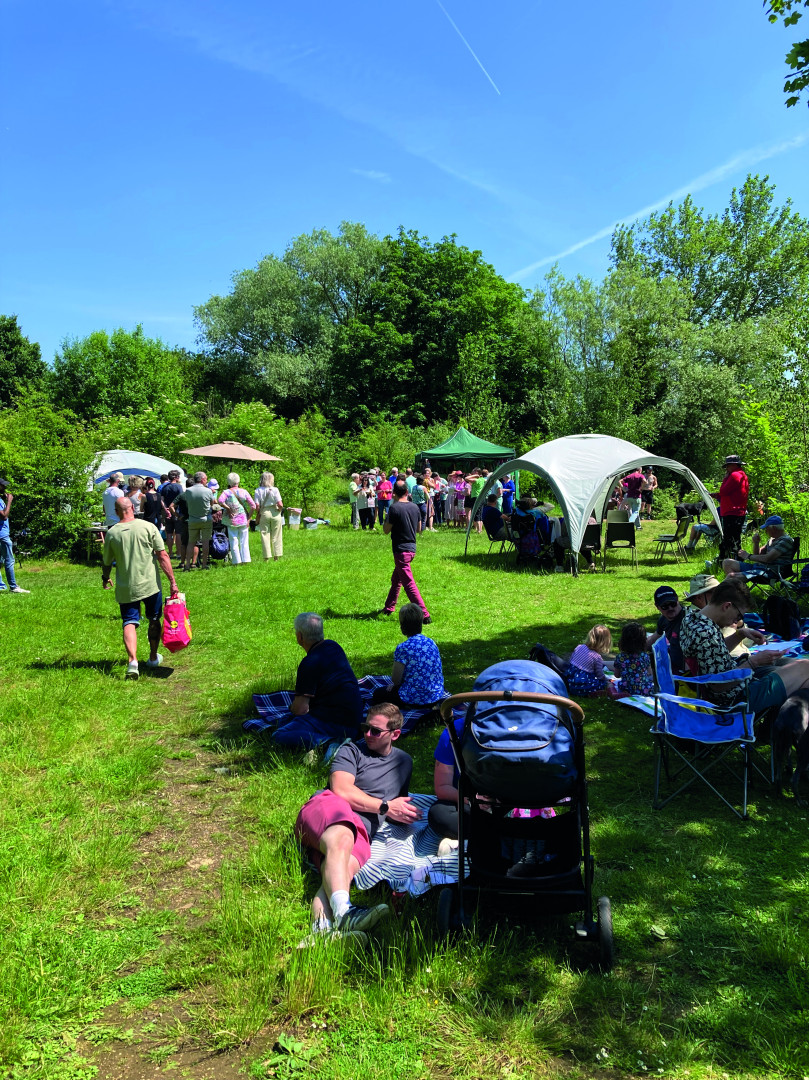
Over the last three years the Trust created the Thrupp Lake parking area and “Sounding Bridge” path to Lower Radley, improved footpaths at Barton Fields and Thrupp Lake, extended and managed wildlife habitats and installed interpretation boards and seats. Their programme of fundraising and educational events includes the “Lakes & Cakes” family afternoon which is on Sunday 6 July from 2pm to 4.30pm. This is the perfect event for all the family to be part of with refreshments and activities.
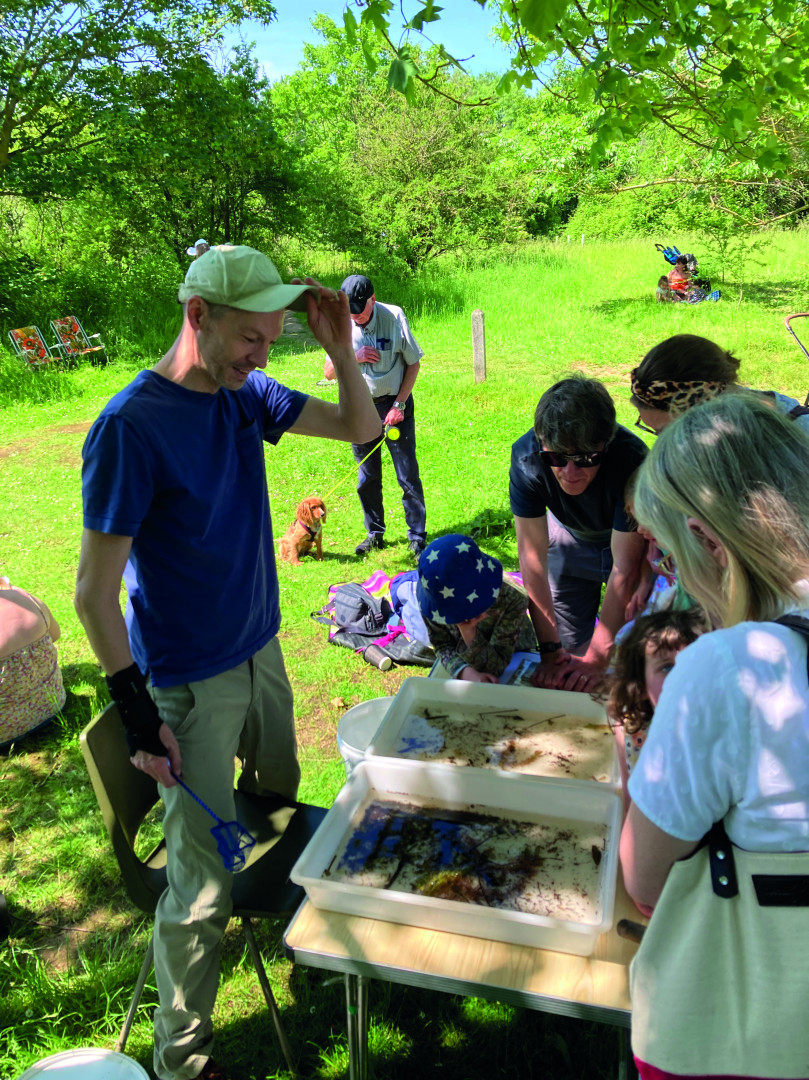
The wildlife of Thrupp Lake is well known, but the rarer species are to be found in surprising places, including the ash-filled pits and areas of wet woodland and marsh. Much is interdependent: not just between lakes, habitats and species, but between species, and between one area and others nearby. The current richness of the wildlife is to a large extent the chance result of past gravel activity and natural ‘rewilding.’ But there has also been managed restoration and conservation, most effective where it is not visible. This will remain important, as will the avoidance of intrusion in the more sensitive areas.
120 species of birds have been recorded in the Lakes area, including 82 breeding species. Among them are Lapwing and Skylark, both Red List species of conservation concern. Amber listed species include Willow Warbler and Reed Bunting. Kingfishers, until recently amber listed, are also to be seen. Recent rare visitors have included Bittern, Ring-necked Duck and Glossy Ibis.
Several public rights of way (including the Thames path) and 'permissive paths' run through the Radley Lakes area connecting it to Abingdon and Radley. The land around Thrupp Lake is open to the public, as is the Barton Fields Nature Reserve. Other areas, although crossed by informal paths, are private land with no right of public access. The Trust plan that other permissive paths will be opened in future, in line with the Radley Lakes Masterplan. Information will be displayed on their updated map as these new paths are opened.
The Trust do not own any land so it is through the support of landowners that improvements can be undertaken. They liaise with the Abingdon Naturalists, Earth Trust and Ramblers and their wonderful volunteers to co-ordinate efforts in the area.
Wherever you walk, you are asked to observe the Countryside Code at all times. Please do not leave litter and avoid disturbance to wildlife. Dogs off leads can disturb wildlife, including ground-nesting birds so please keep your dog on a lead, and clean up and remove any mess they may make.
A new book, The Radley Lakes Story, has just been published. Written by local experts with many colour illustrations it can be bought online through the Radley Lakes Trust website or in town at The Bookstore and Museum.
Radley Lakes Trust, hope you enjoy what Radley Lakes has to offer – whether you are a regular or first time visitor.