



Well, it has been some time since my last article. However, I can’t tell you how pleased I am to be back. One of my favourite things in the world is to garden, my second favourite is to talk gardening, and that’s what we will do, for a whole year…
To those who don’t know me, my name is Tom Nicholas, and I own the gardening company, Me, My Spade & I. We design, build and maintain gardens: I have personal experience of 25 years of gardening and here’s hoping for many more.
My aim is to not just to educate you with answers to your gardening questions, but to also help you with what may be coming up next in your garden. Me, My Spade and I can happily design you a garden start to finish. We can also landscape your gardens. My passion, though, comes from maintaining gardens of all shapes and sizes. I can – and probably should – write a book on how to maintain your garden from month to month…maybe this musing will one day become just that. Until then, let’s make all your wonderful slices of England your very own Chelsea Flower Shows.
With the above in mind, this article comes to you in the month of May and looks through until June and July, so I find you right in the thick of it with regards to lawns, weeds and deadheading. Where to start? Well, let’s look at May…
May
This is a magical month, but you shouldn’t find yourself too busy if you have worked hard in January and February. Ideally, you should be well on top of things and resting on your laurels slightly (pun intended). This is a month of growth, and if you follow our winter schedule you will have composted so weeds will be slow. Grass should be thick, as a March lawn treatment will have it growing well but we do tend to get a little rain in May, so I like to scarify and feed the lawns whilst we can. This will push you on through June and July with a green lawn for when the dry weather hits and the sun bakes down.
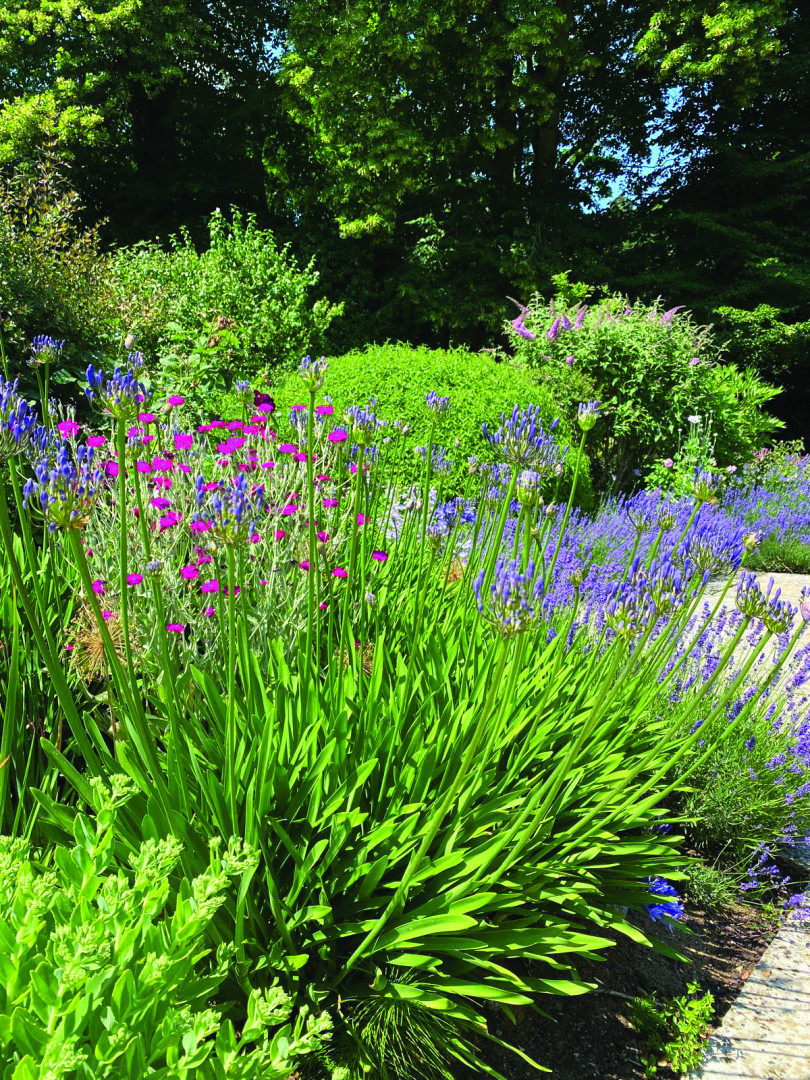
May is also good for planting out bedding plants. I always like lots of pots in the garden – they spruce up patios, paths, front of houses and driveways beautifully. You really need colour in these (sometimes) bland areas – especially if you enjoy an evening glass of wine and you get some amazing fragrances through bedding plants.
May is also a good month to divide bulbs. Plants like daffodils or snowdrops can really clump up and these split well. I like to lift the bulbs, split and replant the clump. I like to find a shady spot in the greenhouse for the bulbs you take from the clump, put them in a pot and let them die back (die back doesn’t mean die, it means the green from the leaves die back in to the bulb and feed the bulb ready for next year’s growth). Then, when the time is right (normally around late September), we simply plant the bulbs where they are wanted.

June
The month of the sun! Well, if last summer is anything to go by, it’s more like the month of the rain, but let’s pretend we are actually having a summer.
Being a dry month, you will find the lawns starting to suffer. Mowing the lawns a level up and leaving them longer will help keep them green. Hopefully we will get some sporadic nights of rain, though, so we can keep them short, tight and lush.
June is also good for weeds. You will find that they will be starting to show face a little more by now. Many people hoe their beds, but I feel this is the wrong thing to do; hoeing simply takes the heads off the weed, leaving roots in the ground and the ability to grow again. That, coupled with footsteps in the beds, makes the soil compact which looks terrible and also stops water from draining in to the soil. Personally, I like to dig the beds regularly which will allow you to remove roots and fluff up the soil. Then if we do get rain, we have more chance of the sub soils becoming wet which gives the roots the chance to nourish the plants we want in there. As you can tell, I’m not a fan of this ‘no dig; movement.
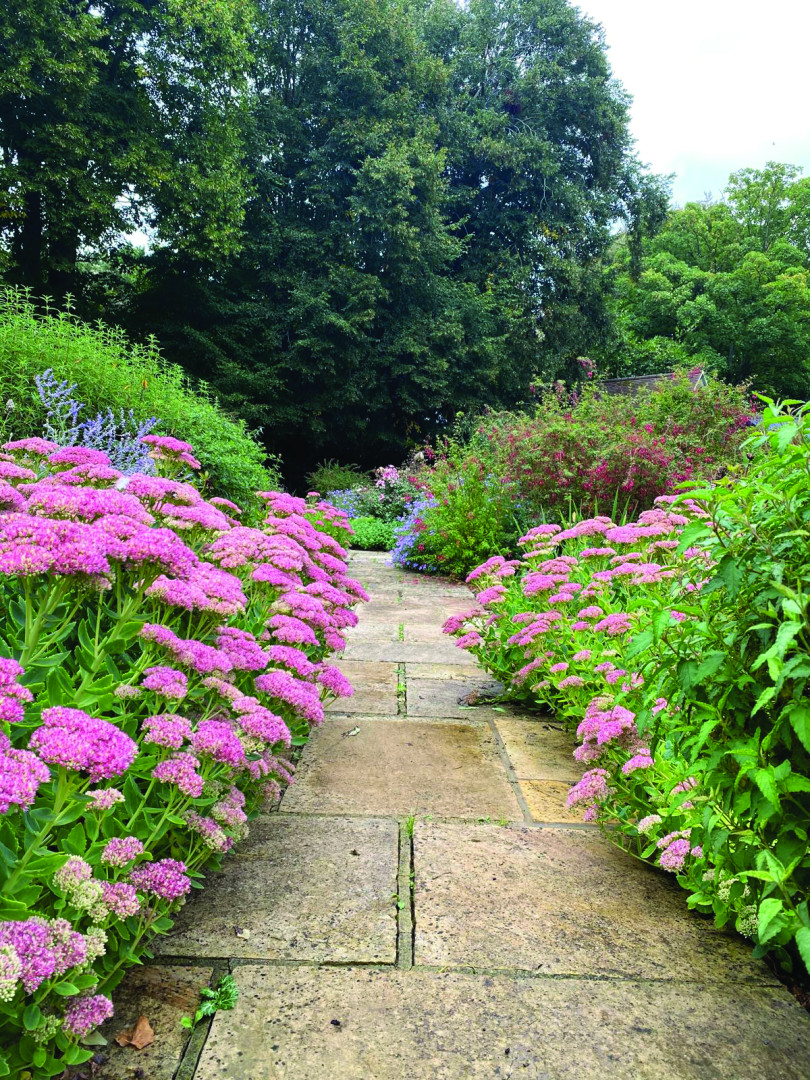
Right now, you will find the plants hitting their crescendo of the garden display – fight the temptation to cut back early. Many perennials, much the same as the daff bulbs from May, die back and feed the heart of the plant, feeding themselves for a tough winter and good floral display the following year. We are not there yet, though, so let the plant eke out the last of their display. If you have multi flowering plants and shrubs then you will want to deadhead, this will help the plant flower again. If left with dead heads, the plant’s energy goes to procreate seed heads – simply removing them will mean the plant sends excess energy to create the new flowers.

July
I don’t have much good news for the garden within the month of July. It’s a tough month. Most gardens tend to be May/June gardens, therefore the garden in July is starting to look messy. We do have plants flowering still, especially if it’s a wet summer, but generally, it is a tidy-up month. Working with what’s in flower, we need to clear up our plants; repeating what you did in May with digging soil when weeding, edging lawns, and mowing long, like in June. If you are lucky enough to expect rain, get a light feed out on the lawns to help them through to the end of the year.
Lastly, be brave, if you have Nepeta [catnip] in the garden it will still be in flower, but not for long. So I wait for the last week of July and cut them to the floor – don’t leave new shoots either, this will mean the plant will regrow and flower again in September, meaning you will have some late colour in your garden.
So, I’ll leave you with a good few months’ worth of work. To keep up, follow us on social media Instagram: Memyspadeandigardens and on Facebook Me, My Spade And I (don’t forget the comma). We will be as interactive as possible and I want your questions to answer – I may not be Monty Don but I do have plenty of knowledge and I love to share.
See you all in august…